
What London Tech Week 2026 reminded us about talent
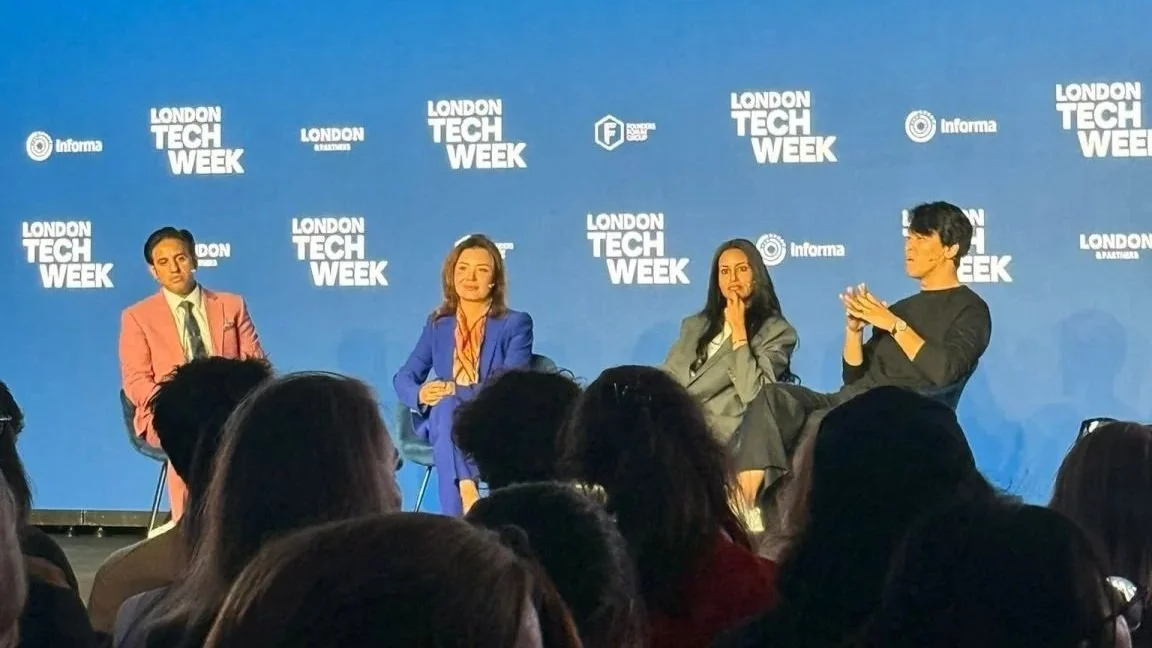
We were in the room this week for Investing in AI: Trends, Challenges and the Road Ahead. It's the kind of session where you walk in expecting a few useful soundbites and walk out with your thinking genuinely shifted.
A lot was said. Here's what stayed with us.
The pace is about to change again
The next six months of AI adoption will outpace the last eighteen. Consumer adoption is still early. It sounds like a bold claim until you look at the numbers - and then it's hard to argue with. The billion-dollar startups emerging right now aren't the product of hype. They're the product of a fundamental shift in how fast a company can build, scale, and compete. That changes everything. Including who they need to hire, and when.
Talent density is a signal, not a nice-to-have
The investor conversation kept circling back to people. At seed stage, talent density, who you've brought in early, how sharp the team is, how well they use the tools available to them is one of the clearest signals a company can send. It's not just about headcount. It's about the quality of the first ten hires, the clarity of the brief, and whether the founding team really understands what they need.
The question investors are quietly asking isn't just about the product. It's about the people behind it. Will they still be solving this in five years? That kind of conviction doesn't come from nowhere, it's usually visible in who someone chooses to build with.
The brief has changed
What companies are hiring for has shifted. Fast. The roles that matter now often didn't exist two years ago, and the ones that did look different.
Technical skills matter, but so does adaptability, speed of thinking, and a genuine comfort with ambiguity. We're seeing that shift in real time — in the conversations we're having with founders, and in what they ask for when they come to us.
Bryan Kim flagged Lovable during the session - a platform letting non-technical founders build real products without writing a line of code. It's a small example of something much bigger. The barrier to building has dropped. Which means the people who matter most right now aren't always the ones you'd have hired three years ago.
Autonomous agents, hardware, defence, natural sciences. The future is being funded. The people building it still need to be found - and that part hasn't got any less important.